22.09.2025

Meditations
19.09.2025

Anton Golovanov
Read 6 minutes

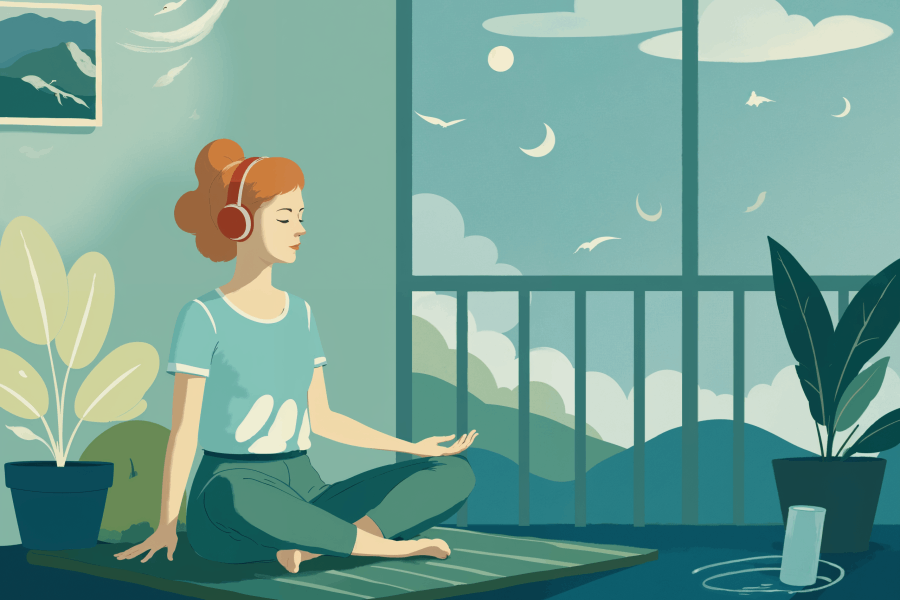
7 out of 10 Ukrainians suffer from various sleep disorders. More than 50% of the world’s population experiences difficulty falling asleep, which directly affects overall well-being, fatigue, and stress resilience. That’s why it’s essential to address these issues as soon as possible before they start impacting your quality of life. One of the most effective ways to improve sleep is meditation. Simple and accessible techniques help release tension and fall asleep quickly.
Meditation effectively combats sleep disturbances by positively influencing the nervous system. Breathing exercises and concentration techniques help relieve tension and calm the mind. Meditation also reduces cortisol production—the stress hormone often responsible for insomnia. Simple breathing practices and mindful body scanning help release physical tension, naturally preparing the body for sleep.
During deep meditation, cognitive activity slows down. A clear mind reduces anxiety levels. Stopping the flow of thoughts decreases beta wave activity and increases alpha and theta waves, which are associated with relaxation and sleep. The brain receives all the necessary signals to prepare the body for rest.
Each meditation technique has a unique impact and purpose. Some help with focus, others enhance self-awareness, and some relieve tension and prepare the body for rest. Regular meditation before bed promotes relaxation and stops racing thoughts. This is an effective step toward overcoming insomnia.
Deep Breathing
Diaphragmatic breathing quickly shifts the body into a state of calm and rest. This happens due to the activation of the parasympathetic nervous system, responsible for relaxation. The body receives the necessary amount of oxygen, accelerating recovery processes.
This exercise is simple to perform:
After just 8–10 cycles of deep breathing, you will feel emotionally balanced, and your body will be fully relaxed.
Body Scan
Body scan meditation helps identify and reduce tension in different areas. Additionally, this technique improves concentration and spatial awareness. To perform it:
For beginners, 10–15 minutes is enough. Over time, body scanning can become a natural skill, allowing you to perform it faster.
Visualization
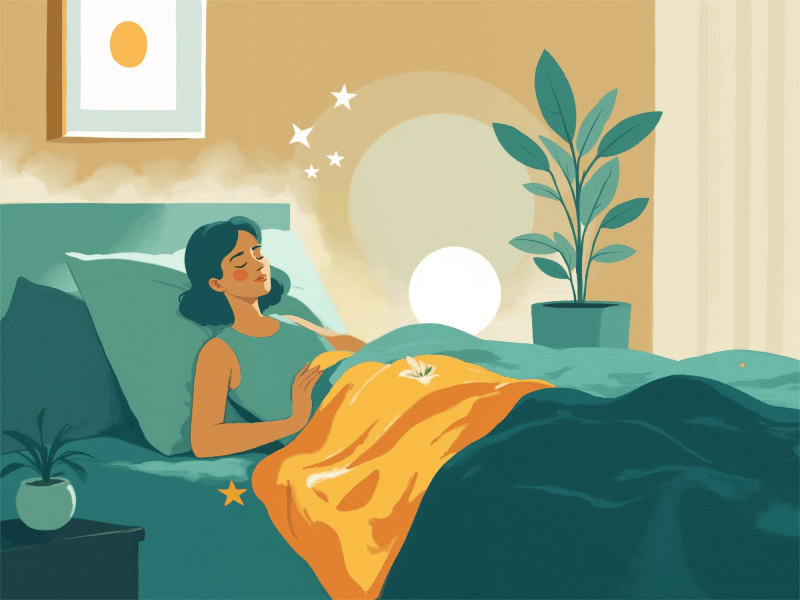
Visualization practice can be a great tool for those struggling with anxiety and intrusive thoughts. This technique redirects attention from thinking to imagination, creating calming mental images. To practice:
You can structure your practice so that you fall asleep immediately after—or even during—it.
Mantras and Sleep Affirmations
Mantras and affirmations are similar practices but produce different effects. Chanting mantras involves repeating specific sounds that create vibrations, relaxing the body. The effect is immediate: muscles loosen, and a pleasant “resonant emptiness” is felt in the head and chest, making it easy and pleasant to drift into sleep.
Positive affirmations, while also targeting the subconscious, influence cognitive processes more than physical sensations. They help eliminate anxious thoughts, foster a positive mindset, and reshape attitudes toward different situations.
I improve my mental state:

Sleep meditation is most effective when properly prepared. To enhance the benefits:
Find more techniques and recommendations in our app. We have selected the best practices that have proven highly effective in addressing sleep issues.