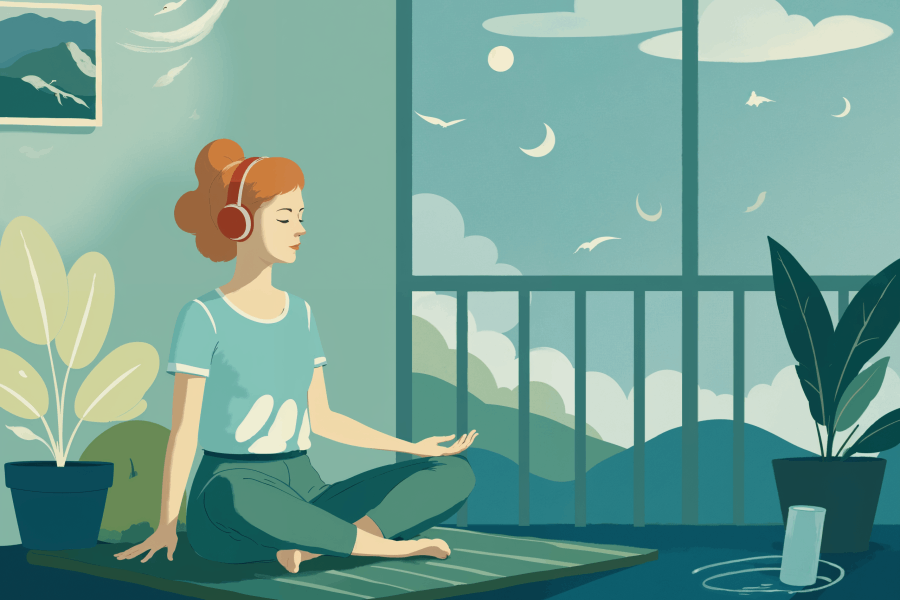
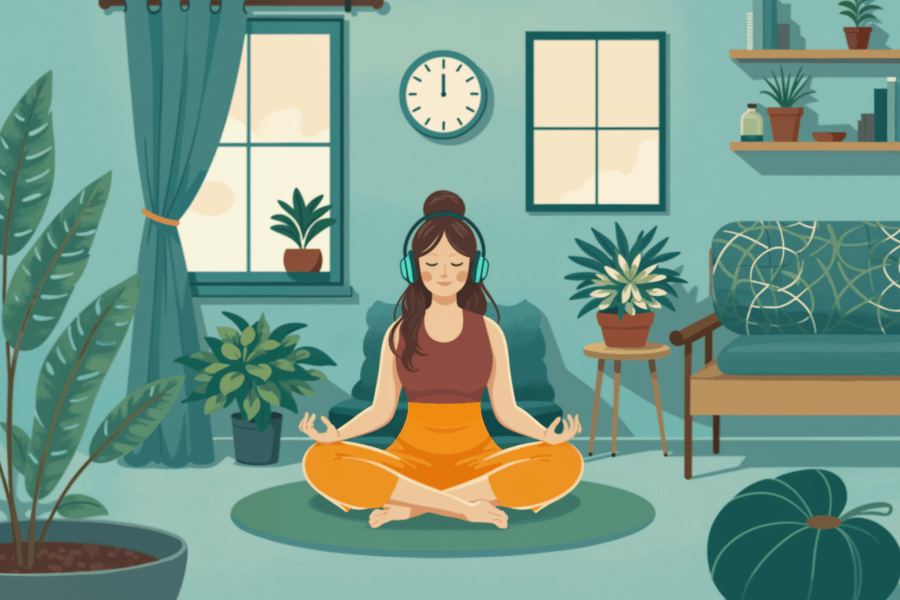
Mindfulness is the practice of consciously observing your thoughts, emotions, and sensations in the present moment, without judgment or evaluation. This practice helps achieve inner peace, relieve tension, and find harmony. There are numerous types and techniques of meditation, including observation, breath-focused meditation, and dynamic exercises. Some practices require preparation, while others only need your willingness and 10–20 minutes of your time. How do you choose the method that suits you best among so many options?
How to Choose Your Meditation Style
There is no “right” or “wrong” way to meditate. The practice should be selected based on your personal goals. Therefore, the first step is to ask yourself: “What do I want to gain from meditation?” Depending on the chosen method and the regularity of practice, meditation has psychological, cognitive, physiological, and spiritual effects.
Most meditations available for independent practice are aimed at:
- Reducing stress and anxiety;
- Improving mood;
- Developing emotional resilience;
- Addressing depressive states;
- Enhancing concentration;
- Boosting memory;
- Improving sleep quality;
- Promoting self-awareness;
- Cultivating presence in the moment.
Finding your meditation method means acquiring an effective tool to address your specific needs and improve your overall quality of life. Regular practice increases mindfulness and helps achieve deep inner peace. Choose based on your needs and start your journey.

Types of Meditation
Here is an overview of different meditation styles to help you select the best one for you:
- Mindfulness Meditation. This practice involves observing your thoughts, emotional reactions, and bodily sensations. Paying attention to these aspects helps you stay “here and now,” which in turn increases mindfulness and fosters a harmonious perception of yourself and reality.
- Breath-Focused Meditation. Breathing is a natural “pulse” of the body, characterized by predictability and rhythm. Focusing attention on this process helps regulate emotions, reduce anxiety, and create a sense of calm. This technique is easy to integrate into daily life since it requires no preparation or equipment.
- Visualization. This meditation uses the power of imagination to achieve relaxation, restore energy, and implement positive self-programming. Since the brain does not biochemically distinguish fantasy from reality, the images you create can have a powerful effect and even help manifest your desires. Our app offers guided visualization exercises curated by experienced practitioners to help you immerse in the practice effortlessly and achieve desired results.
- Walking Meditation. Also known as “mindful walking,” this practice involves slow movement and focusing on bodily sensations. The goal is to direct attention to how your feet interact with the surface and how your perception of yourself changes with movement. Enhancing mindfulness through physical sensations restores nervous system balance and helps develop spatial awareness.
- Progressive Relaxation or Body Scan Meditation. This technique helps relieve tension, relax, and restore energy. Sequential awareness and relaxation of different body parts improve observation skills and foster a deeper connection with yourself.
- Vipassana or “Clear Seeing”. This powerful technique of self-observation involves deep introspection without judgment or evaluation. Vipassana enhances mindfulness and concentration while cleansing the mind and fostering inner harmony. It is best suited for advanced practitioners as it requires time, patience, and the ability to remain immersed in inner processes. Beginners should start with short sessions and gradually increase the duration.
- Loving-Kindness Meditation (Metta). One of the most powerful practices for cultivating inner peace, kindness, and love towards oneself and others. This technique involves repeating positive affirmations for yourself, loved ones, acquaintances, and even strangers. It not only improves emotional well-being but also strengthens the feeling of connection with others and enhances empathy.
- Transcendental Meditation. This technique involves silently repeating a mantra multiple times. It is practiced with closed eyes and requires 15–20 minutes. Due to its simplicity and significant benefits, TM is accessible even for beginners. The primary goal is to reach inner stillness and gradually calm and relax the mind.
Each type of meditation provides an opportunity to explore your inner world and establish a stronger connection with yourself and your surroundings. Whatever style you choose, you can always adapt it to your needs by adjusting the duration or complexity. The key is to approach the process with curiosity and observe how your state changes before and after the session.
Practical Tips for Choosing a Meditation Style
During meditation, the body and mind enter a unique state—deep relaxation, concentration, and tranquility. In this state, the nervous system releases accumulated tension, allowing it to heal and reset. This is why meditation fosters a profound sense of peace and mental clarity, both in the moment and in the long run.
To select the best meditation style for you:
- Approach the search with curiosity and an open mind. Experiment with different styles to find what resonates best with you.
- Pay attention to your feelings and thoughts. Your body will indicate what it needs. Observing your reactions before and after practice can help determine which style is most comfortable and effective for you.
- Find a guide or an app. Using an app or an online resource can help simplify your meditation journey and introduce you to different techniques. Our mobile app provides a range of meditation styles with guided instructions.
- Seek a teacher or mentor. An experienced practitioner can help you find your style, establish a practice routine, and select appropriate techniques.
- Strive for consistency. You don’t need to dedicate a lot of time—start with just 5–10 minutes daily, but make it a regular habit. Meditation, like most practices, has a cumulative effect.
Regardless of your goal—whether it is improving concentration, reducing anxiety and depression, or achieving inner balance—meditation helps you reconnect with yourself and restore your energy. Regular practitioners report that meditation not only addresses specific challenges but also has a profound impact on overall quality of life. The art of meditation is worth exploring for anyone seeking deep relaxation and tranquility. You can master effective techniques using our app. A single small step is all it takes to begin transforming your life.