22.09.2025

Meditations
19.09.2025

Anton Golovanov
Read 7 minutes
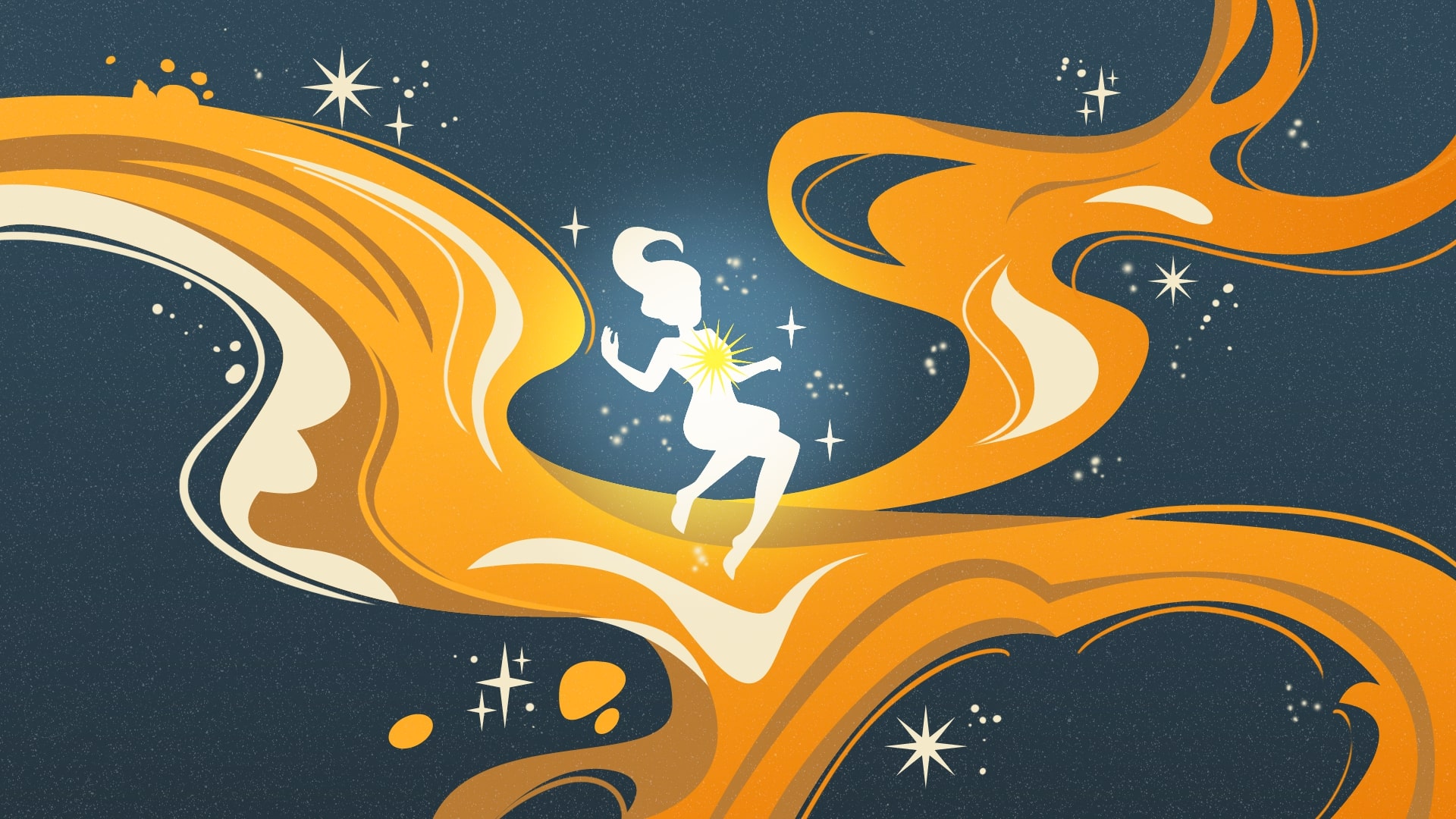
Anxiety and stress are things we encounter almost daily. However, few people realize that one of the most effective tools for self-calming is always within us. Simple breathing exercises help normalize heart rate, clear the mind, and lower cortisol levels. This is one of the easiest and fastest ways to regain calm. Developing this skill to restore inner balance can support both physical and emotional health while helping you confidently navigate life’s challenges.
This rhythmic breathing technique reduces the activity of the sympathetic nervous system and activates the parasympathetic system. As a result, the body transitions from a “stress” state to a “calm” state. To quickly relax:
The exhale lasts twice as long as the inhale, calming the nervous system, oxygenating the body, and promoting relaxation. The minimum recommended repetitions are four cycles, but for a stronger effect, increase the number of cycles.
Shallow and rapid breathing is typical of a body under stress. That’s why achieving the opposite—slow and deep breathing—is essential for relaxation. Diaphragmatic breathing, or belly breathing, helps oxygenate the lungs, including areas that are not typically engaged in everyday breathing. To practice:
To control the process better, place one hand on your chest and the other on your belly. This allows one hand to track the inhale and the other to monitor the exhale.
This technique originates from yoga traditions and is excellent for calming the mind, balancing the nervous system, and improving concentration. It requires mastering the Vishnu Mudra—a specific hand position. Connect your right-hand index and middle fingers, placing them on your forehead between your eyebrows. This allows your thumb to control the right nostril while your ring finger controls the left.
To practice:
A full cycle lasts at least five minutes. This technique can be practiced throughout the day or before bedtime.
I improve my mental state:
This breathing practice is named after its four equal components, making it easy to remember. Box breathing is one of the most widely used techniques worldwide. Originally developed by the U.S. military as a tool for self-regulation, it later became popular among civilians due to its effectiveness.
How to perform box breathing:
This technique is effective for relaxation, reducing anxiety, and managing stress.
Exhaling for longer than you inhale has a positive effect on emotional well-being. This quickly activates the parasympathetic nervous system, promoting relaxation and calmness. To practice:
Performing this exercise for 10 minutes while focusing entirely on the breathing process is enough to feel relaxed.
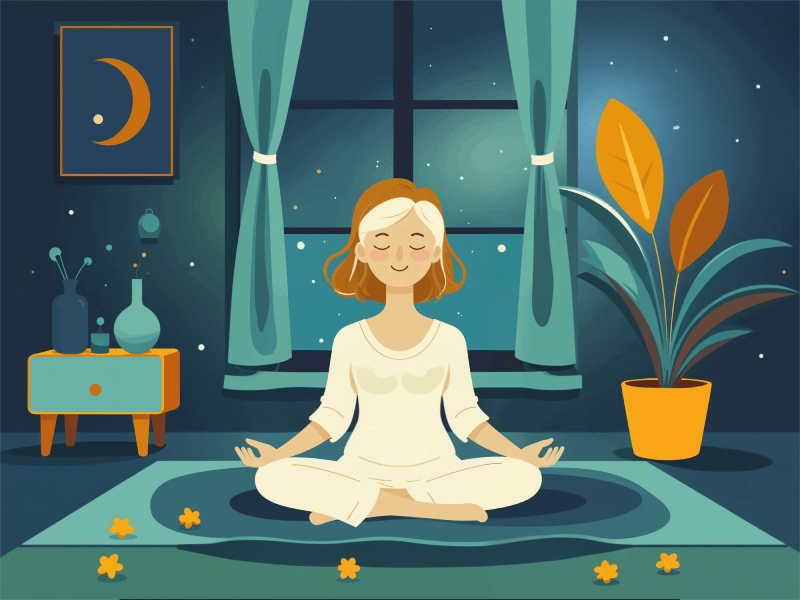
Controlled pauses between inhales and exhales improve oxygen absorption, promote relaxation, and help manage stress. This simple technique is a powerful tool for quickly relieving tension. To practice:
This technique helps balance oxygen and carbon dioxide levels in the blood, stabilizes the nervous system, and induces a state of relaxation.
Breathing and the nervous system are closely interconnected. A study published in Cell Reports Medicine examined the effects of short-term breathing exercises on participants’ psychophysiological state. Participants performed one of three breathing techniques or mindfulness meditation for five minutes daily over a month. The results showed that breathing practices, particularly cyclic sighing with an extended exhale, significantly improved mood and lowered respiration rates. This indicates the potential effectiveness of short breathing exercises in stress management and emotional well-being.
Stress affects breathing by making it shallow and rapid. Conversely, consciously regulating inhales and exhales with a focus on depth and duration helps reduce stress levels.
This relationship is controlled by two branches of the autonomic nervous system: the sympathetic and parasympathetic systems. The sympathetic system mobilizes the body’s resources and triggers stress-related responses, regulating breathing and releasing stress hormones into the bloodstream. The parasympathetic system, on the other hand, slows these processes down, promoting relaxation.
These systems work in alternation—when one is active, the other is at rest. Conscious breathing acts as a switch, quickly shifting the body’s state. This is why breathing techniques aimed at controlling inhales and exhales are highly effective in managing stress and anxiety. Best of all, these tools are accessible to everyone. Simply choose the techniques that suit you best in our app.