
15.09.2026

Meditations
02.05.2026

Olha Ponomarenko
Read 6 minutes
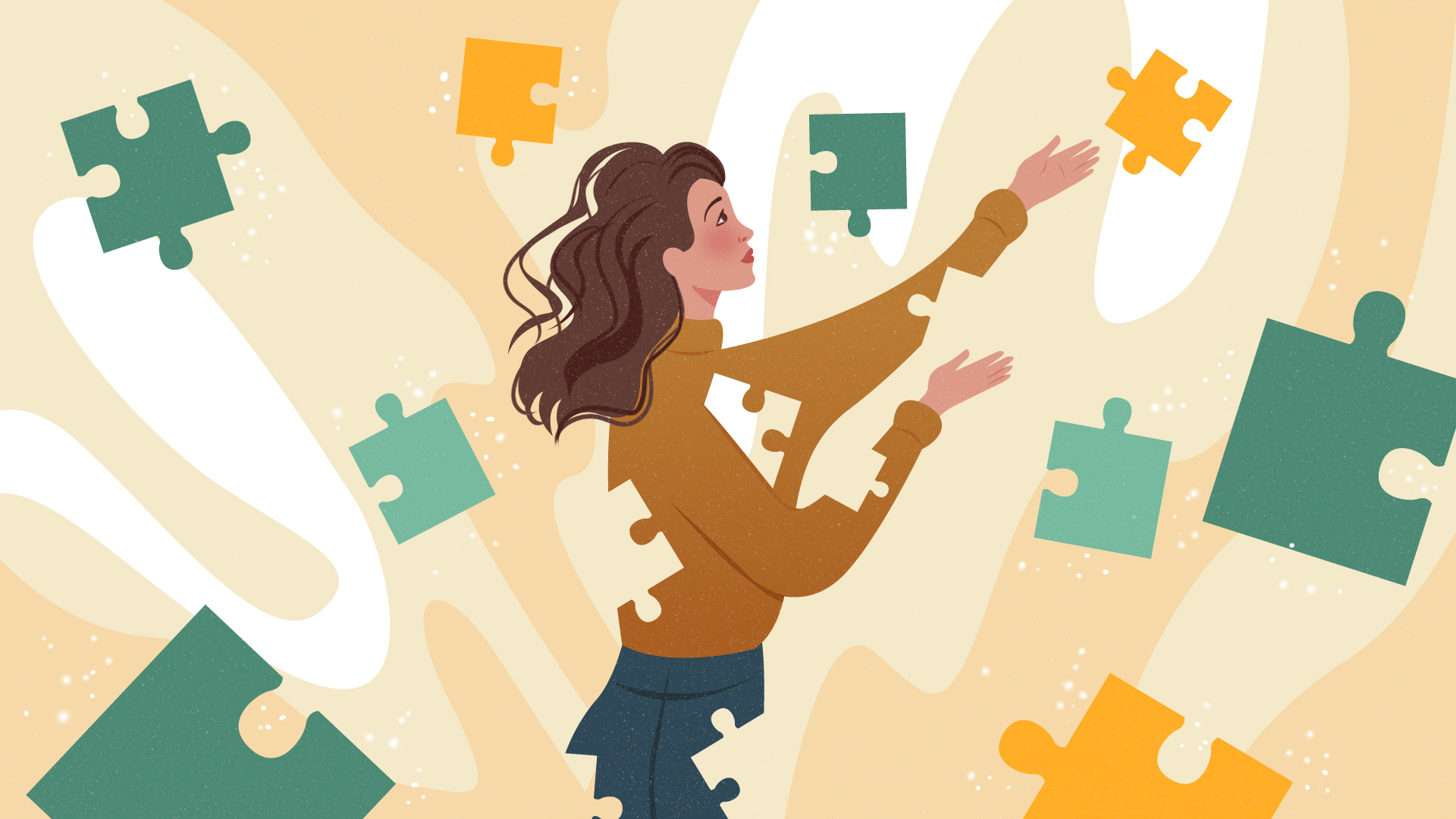
The nervous system of modern humans is under enormous stress. Fast-paced lifestyles and constant stress lead to rapid fatigue, increased anxiety, and chronic tension. All of this affects mental processes such as memory and attention. We lose the ability to concentrate for long periods of time and forget important details. This negative impact prevents us from feeling free and confident.
The good news is that memory and concentration can be trained. Quality rest and a balanced diet combined with regular meditation will help you become focused, attentive, and relaxed again. Daily practices promote deep relaxation and reduce stress levels (which directly affect cognitive functions). Mindfulness exercises also help you better manage your attention and avoid unnecessary distractions.
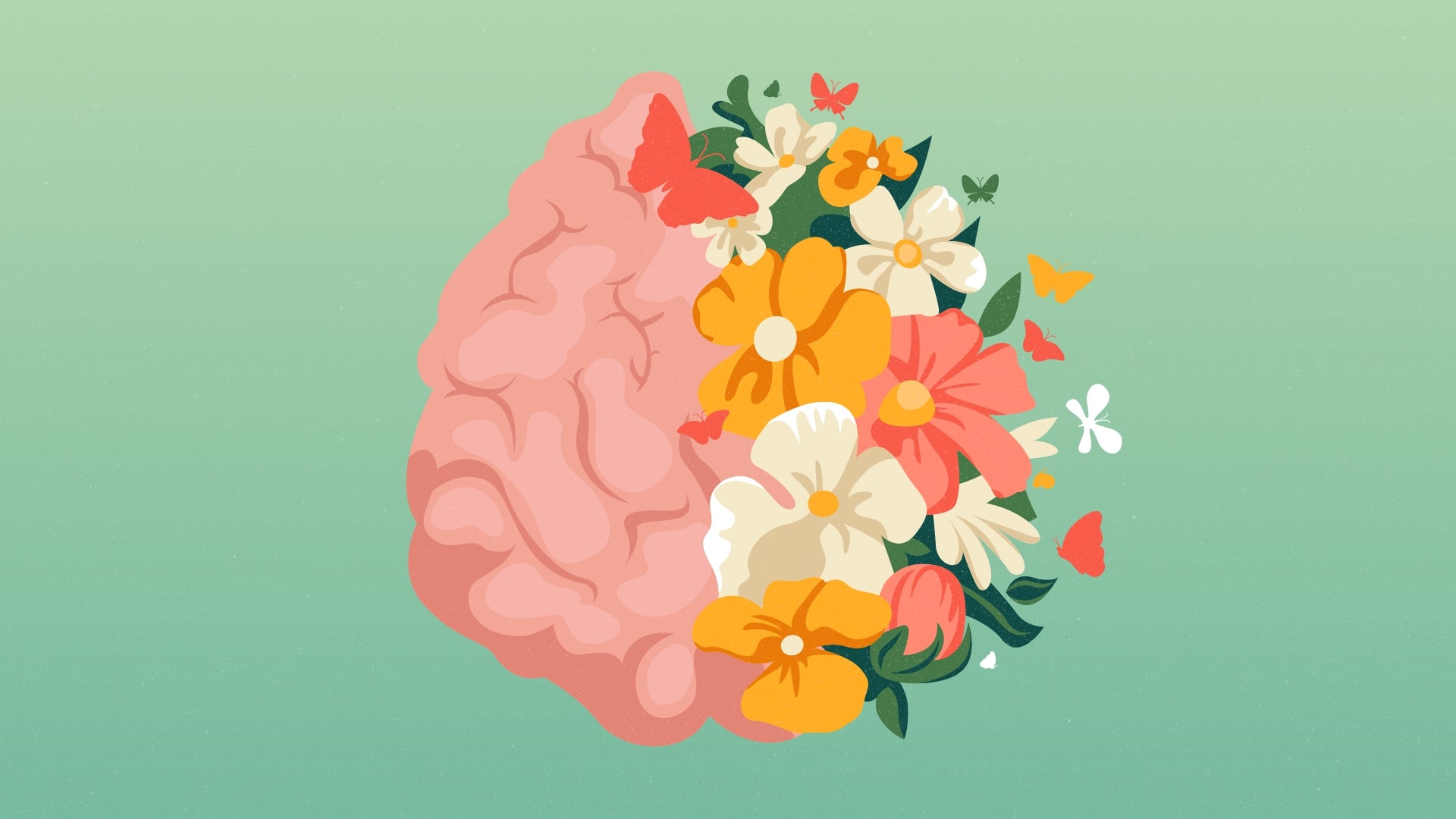
Regular meditation has a positive effect on cognitive functions. The practice of meditation not only provides short-term relief but also promotes lasting change. Daily meditation triggers the formation of new neural connections. Thus, positive changes occur at the structural level of the brain.
During meditation, activity levels change in areas of the brain such as the frontal lobes, thalamus, parietal lobe, and reticular formation. These changes were detected using magnetic resonance imaging. During meditation, the activity of the frontal lobes, which are responsible for thinking and planning, decreases. This leads to relaxation and reduced anxiety. In the mind, “space appears” to be “here and now.”
During practice, the activity of the thalamus, the part of the brain that transmits data from the sensory organs, is also suppressed. This “information detox” promotes deeper relaxation and better concentration. This effect is enhanced by a decrease in the activity of the parietal lobe, which is responsible for spatial orientation and processing external stimuli. We get the opportunity to “switch off” from the unnecessary and focus on what is important right now.
A study conducted under the direction of Catherine A. McLean confirmed that regular meditation improves attention and perception. Participants who completed a course of exercises involving sustained selective attention to a chosen stimulus experienced positive changes. Final testing confirmed that the study participants’ sensitivity of perception and alertness during prolonged concentration had increased.
Another study on the relationship between meditation and attention proved that regular mindfulness practice improves the ability to concentrate. Scientists compared the indicators of two groups. In the first group, participants had long-term experience with meditation, while in the second group, they did not. The subjects in the first group demonstrated better results during attention testing.
Studies have also been conducted that prove that meditation for concentration affects memory performance. Meditation increases the amount of gray matter involved in memory and attention processes. Regular practice helps prevent age-related changes in brain structure and cognitive decline.
Meditation practices that keep the brain “in shape” and improve memory and concentration are available to everyone. They do not require a lot of time or excessive effort. The main thing is to try to practice consistently and regularly. One of the most effective techniques for developing attention is mindfulness. It teaches us to stay in the present moment, observing what is happening here and now. To perform the exercise:
Another useful technique for improving attention and memory is meditation with a focus on breathing or mantras. In this exercise, the object of concentration can be breathing, repeating or chanting mantras. Using the example of concentration on breathing, meditation can be performed as follows:
Try meditation now and feel the surge of strength!
Try in the app
Visualization is also an effective practice for improving attention and memory. It helps not only to improve cognitive functions, but also to “program” yourself for the desired state or result of certain actions. To perform the practice, you need to create an image in your imagination and stay in it as long as possible, focusing your attention on all the details of the “picture.”
If you want to find the practices that will be most effective for you, use our mobile app. There you will find a variety of practices, instructions for performing them, and additional materials to help improve your memory and concentration.