03.06.2026

Stress and anxiety
18.04.2026

Olha Ponomarenko
Read 4 minutes
Every day, we experience stress, emotional strain, and nervous tension. Work problems, home issues, and distressing news keep us in a constant state of tension. This affects our well-being, sleep, and overall quality of life. Meditation helps restore balance to the mind and body, and white noise becomes a great aid in this process.
White noise is a specially designed sound that promotes relaxation and calmness. Its uniqueness lies in the fact that it contains all frequencies that the human ear can perceive, played evenly and without fluctuations. White noise also acts as a sound barrier, masking other distracting sounds. Examples include the sound of a waterfall, rain, radio static, or even the gentle hum of a fan.
Research shows that white noise can suppress the activity of neurons in the brain’s auditory cortex, improving sound perception and reducing nervous tension. While listening to white noise, our brain processes fewer external sounds, allowing it to “rest.” Thanks to its masking properties, white noise neutralizes background noises such as shouting, barking, or construction sounds—many of which can trigger stress, shifting them to the background.
Additionally, white noise improves sleep quality, which directly affects the nervous system’s recovery process. It helps individuals fall asleep faster and maintain deep sleep by masking environmental sounds that might otherwise disrupt rest. This is why white noise is commonly used for infants, helping them sleep more soundly. It is believed that this type of noise closely resembles the sounds heard by a baby in the womb.
White noise acts as a buffer for the nervous system, protecting it from excessive stimulation and promoting relaxation and emotional comfort. However, its benefits extend beyond that. Studies suggest that natural sounds, such as white noise, positively impact cognitive abilities and creativity, particularly in young people.
White noise is widely used to calm infants and improve their sleep, creating a stable sound environment that promotes relaxation and security. It is also used to enhance concentration and relaxation in adults. Moreover, it is highly beneficial for meditation, making it easier to focus and achieve deeper immersion in the practice.
We recommend using white noise during meditation, especially if you are new to the practice. To experience the effects of this unique sound, try incorporating it into a breathing meditation. Follow these simple steps:
This simple practice, combined with the properties of white noise, provides a powerful relaxation and calming effect. Within just 10 minutes, you may notice reduced anxiety and a sense of inner balance.
I improve my mental state:

White noise can also be integrated into mindfulness meditation. Play an audio track from our app, find a comfortable position, and focus solely on what you hear. This meditation is ideal for relaxation, helping to clear intrusive thoughts and improve concentration.
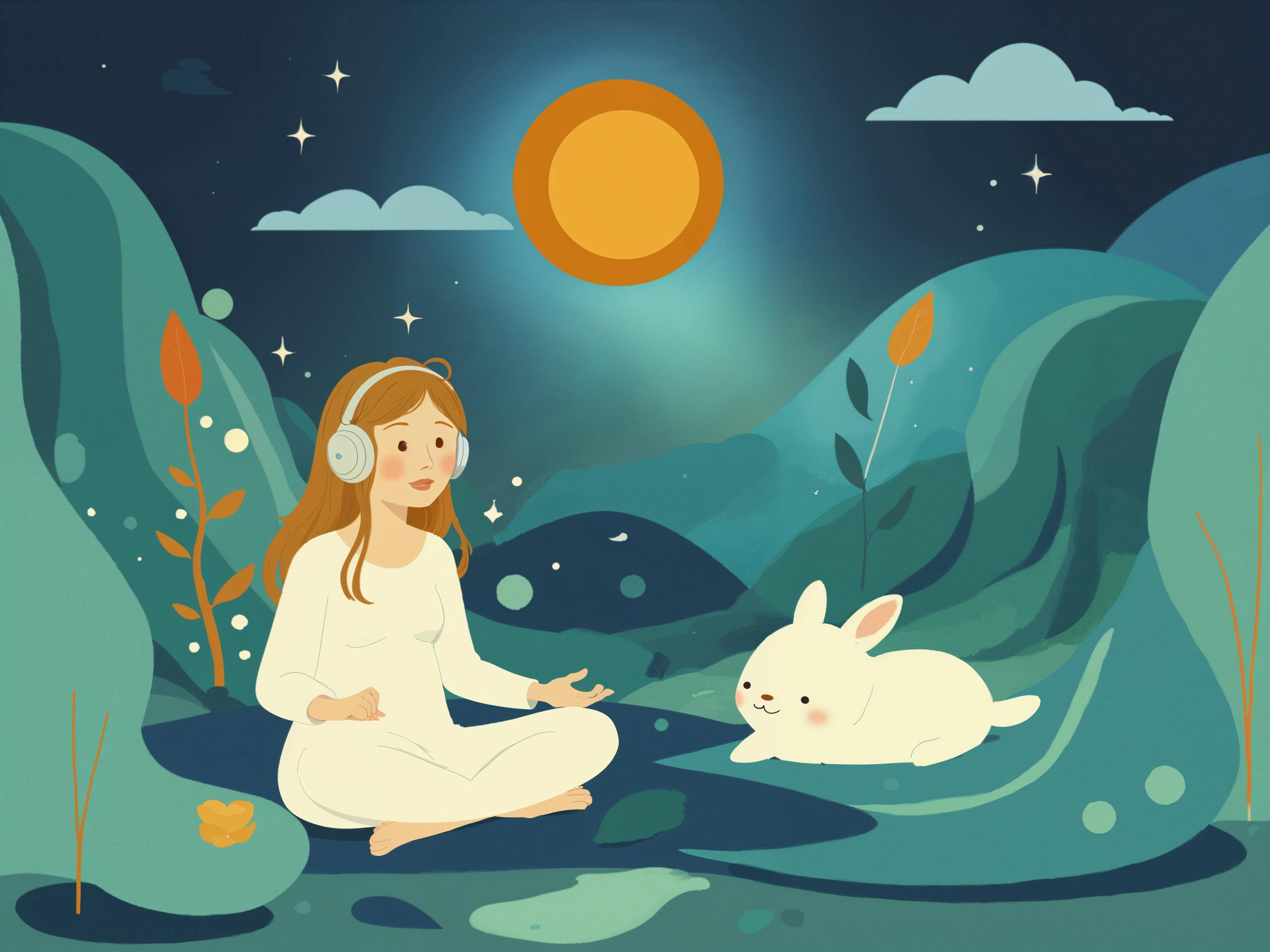
For deeper immersion, consider using white noise through headphones. To achieve long-term benefits from meditation, consistency is key. While occasional sessions can bring immediate relaxation and peace, regular practice leads to more profound changes. Incorporating meditation into your daily routine ensures stable and lasting results. Our app offers extensive resources, expert recommendations, and additional materials to help you integrate white noise meditation seamlessly into your practice.