15.09.2026

Mental health
25.04.2026
Olha Ponomarenko
Read 7 minutes
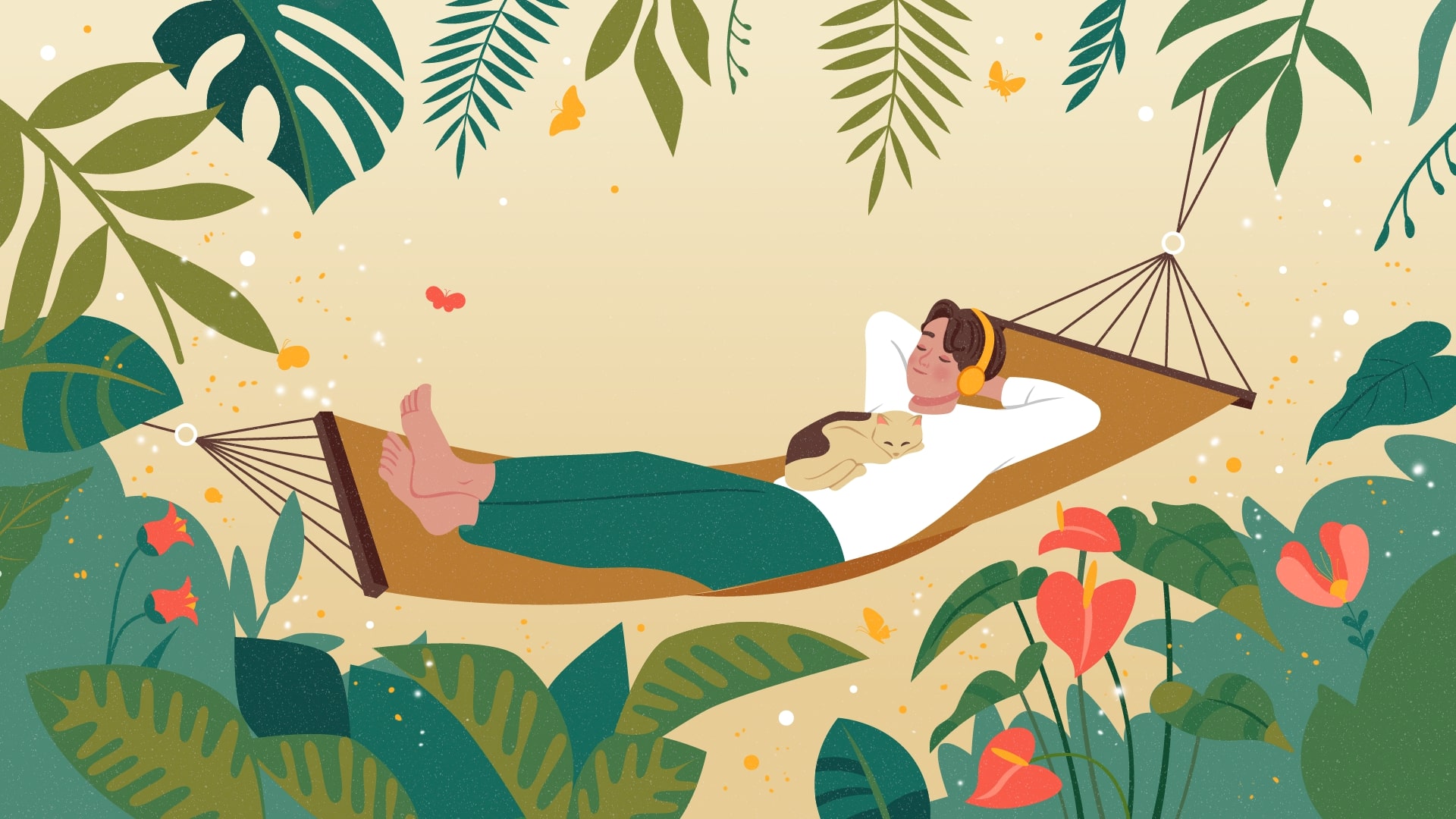
Every day, we encounter situations that impact our emotional state. The nervous system responds to these challenges by mobilizing our resources. However, after prolonged and intense tension, the body needs rest to recover. Special relaxation techniques can help with this process.
Relaxation is a set of conscious actions aimed at unwinding and restoring balance. These techniques are designed to bring lightness to the body and clarity to the mind. Their goal is to achieve deep relaxation and harmonize the psycho-emotional state. Most relaxation techniques can be effectively combined with meditation (which itself is an excellent recovery tool). This synthesis of practices provides a comprehensive effect: relaxation relieves tension, while meditation deepens awareness.
Relaxation therapy and meditation complement each other, significantly enhancing the effect of each practice. Relaxation helps to release physical tension and prepare the body for deep meditation, while meditation makes the process more conscious and effective. So, how can these techniques be combined?
Meditation and Sound Relaxation
Special music and nature sounds enhance the effects of meditation, helping you relax and reach a state of inner peace more easily. You can use sounds like rain, ocean waves, birdsong, or any other calming audio that you associate with relaxation. In our app, you’ll find meditation music specifically designed for deep immersion into the practice.
Combining meditation with sound relaxation helps relax the body and stabilize the psycho-emotional state. Calming sounds improve concentration and sustain inner peace throughout the session. They act as a rhythm guide, gradually soothing the mind and naturally anchoring attention in the present moment.
Meditation and Aromatherapy
Aromatherapy is a relaxation method that uses various essential oils to achieve specific effects. Different scents influence our mood and well-being differently, allowing each person to choose aromas that suit their needs. However, most essential oils share common properties: they enhance mood and reduce anxiety and stress. You can use aromatherapy in different ways — diffusing oils in the room, applying them to the skin, or using aroma candles and lamps.
Aromatherapy amplifies the effects of meditation, helping you relax and achieve inner balance. Essential oils like lavender, sandalwood, bergamot, and peppermint promote stress relief, mental calmness, and improved concentration. Adding just a few drops to a diffuser or applying them to your wrists can deepen and enhance your meditation experience. This combination fosters emotional equilibrium and mental clarity.
Meditation and Progressive Muscle Relaxation
Progressive muscle relaxation (PMR) involves systematically tensing and relaxing different muscle groups. This technique helps calm the mind, reduce anxiety, and increase mental clarity. It is also recommended for improving sleep and coping with chronic stress. PMR prepares the body and mind for meditation. To practice:
Pay special attention to your abdomen, back, neck, and facial muscles. Once you complete the exercise, take a few deep breaths to slowly exit the practice.
This relaxation technique pairs well with body scan meditation. This combination helps achieve a pleasant state of inner balance. Instead of actively tensing or relaxing muscles, body scanning involves directing attention to different parts of the body, fostering deep relaxation through mindful observation.
Try meditation now and feel the surge of strength!
Try in the app
Meditation and Yoga
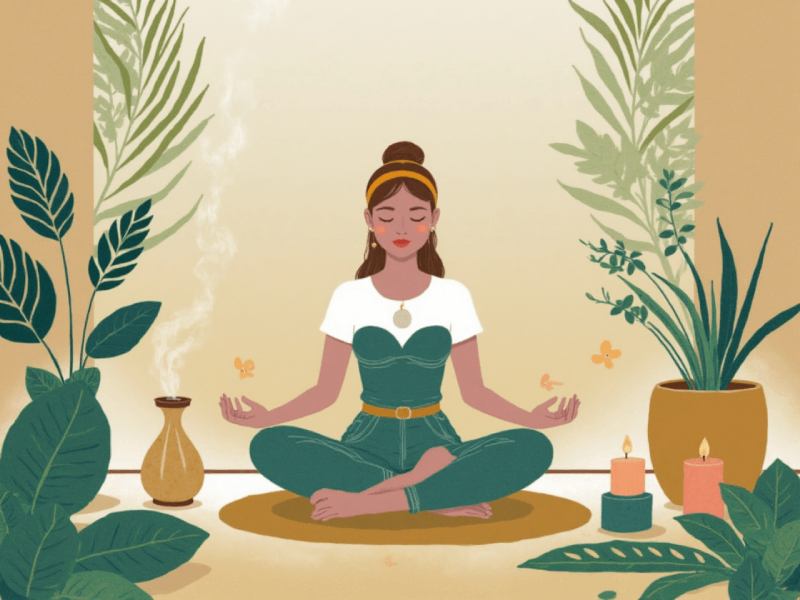
One of the most effective combinations is yoga and meditation. This combination has a holistic impact on both the body and mind. After performing yoga poses (asanas), muscles relax, tension decreases, and breathing becomes deeper and more steady. This state is ideal for transitioning into meditation, as physical comfort makes it easier to attain inner balance.
Yoga is a powerful tool for releasing muscular tension and achieving energetic equilibrium — an optimal condition for meditation. Pay attention to bodily sensations, practice mindfulness, or try Yoga Nidra. This combination enhances the effects of both practices, fostering deep relaxation and inner peace.
Regularly combining yoga and meditation not only reduces stress levels but also helps maintain emotional stability in everyday life. Over time, you will notice increased mindfulness, improved sleep quality, and a greater sense of wholeness.
Meditation and Breathing Exercises
Breathing techniques are a powerful tool for calming the mind and body. They help reduce stress, regulate heart rate, and stabilize emotions. However, when combined with meditation — where you breathe consciously and focus on the process and sensations — the effects become even more profound. Techniques such as diaphragmatic breathing, 4-7-8 breathing, and box breathing can be particularly effective. We have covered these in detail in our article “Breathing Exercises for Calming the Nervous System.”
Visualization and Positive Affirmations with Meditation
This combination is an effective tool for transforming consciousness and achieving emotional balance. During meditation, in a state of deep focus and tranquility, visualization and affirmations become even more impactful.
Visualization involves creating mental images of desired situations or states. Meditation amplifies these feelings, making the imagery more vivid and realistic. Regularly repeating affirmations in a meditative state helps shape a positive mindset and perception of reality.
I improve my mental state:
Walking Meditation
Walking in nature or simply strolling through your surroundings is one of the simplest yet most effective relaxation methods. Movement helps the body and mind reset, soothes the nervous system, and clears mental clutter. Walking in nature boosts mood and provides positive emotions through mindful observation.
To enhance this relaxation method, try mindful walking — instead of simply walking and unwinding, direct your attention to bodily sensations, movements, and the sounds of nature. By focusing on your steps and surroundings, you can turn an ordinary walk into a powerful meditative practice.
Finding Your Ideal Meditation and Relaxation Combination
To discover the best relaxation and meditation combination for you, experiment with different approaches. Our app can help you explore your personal style, offering everything you need for daily practice — from guided instructions to immersive soundscapes.