15.09.2026

Meditations
12.04.2026
Olha Ponomarenko
Read 6 minutes
Anxiety is often a natural response to stress. However, in some cases, it can become chronic, leaving a person in a constant state of worry and tension. This persistent anxiety drains the nervous system, reduces productivity, and negatively impacts overall quality of life. One of the most effective methods for combating anxiety is meditation. Its benefits have been scientifically validated, and its accessibility and simplicity make it an easy tool for anyone to use.
Regular meditation helps reduce the “stream of thoughts,” balances mental well-being, and allows better awareness and control of emotions. Some techniques help relax the body and relieve accumulated tension. Since meditation often incorporates breathing exercises, which directly affect the nervous system, practicing meditation naturally lowers stress hormone levels in the bloodstream. These benefits make it possible to experience relaxation and calmness even after the first few sessions.
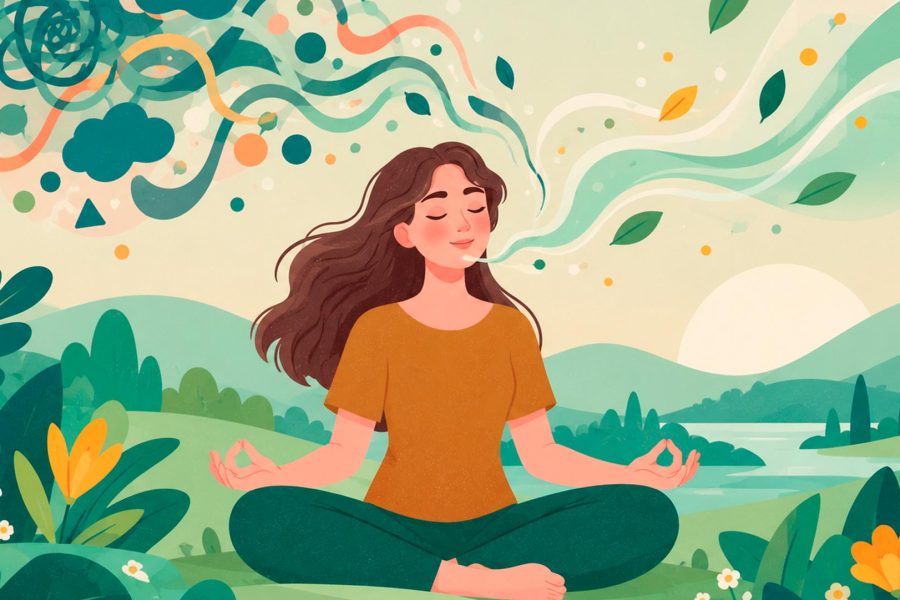
Breath meditation is a simple practice suitable for individuals with all levels of experience. Focusing on this natural process helps shift attention away from thoughts and toward sensations. That is why these techniques are often called a “bridge” between the body and mind. To reduce anxiety using breath meditation:
Breathing techniques help quiet intrusive thoughts and train the ability to consciously control attention. Additionally, these practices regulate heart rate and improve oxygenation of the body.
Mindfulness meditation is one of the most popular and scientifically backed practices worldwide. The essence of this technique is to remain in the present moment, noticing what is happening here and now. To practice:
Regular mindfulness practice reduces anxiety levels, improves concentration, and enhances self-regulation skills.
I improve my mental state:

Mantras have a dual positive effect. First, they help establish and reinforce positive beliefs. Second, chanting or verbally repeating mantras influences physical sensations, leading to a sense of relaxation and mental clarity. To practice mantra meditation:
Dedicating just 10-15 minutes to this practice can yield noticeable benefits.
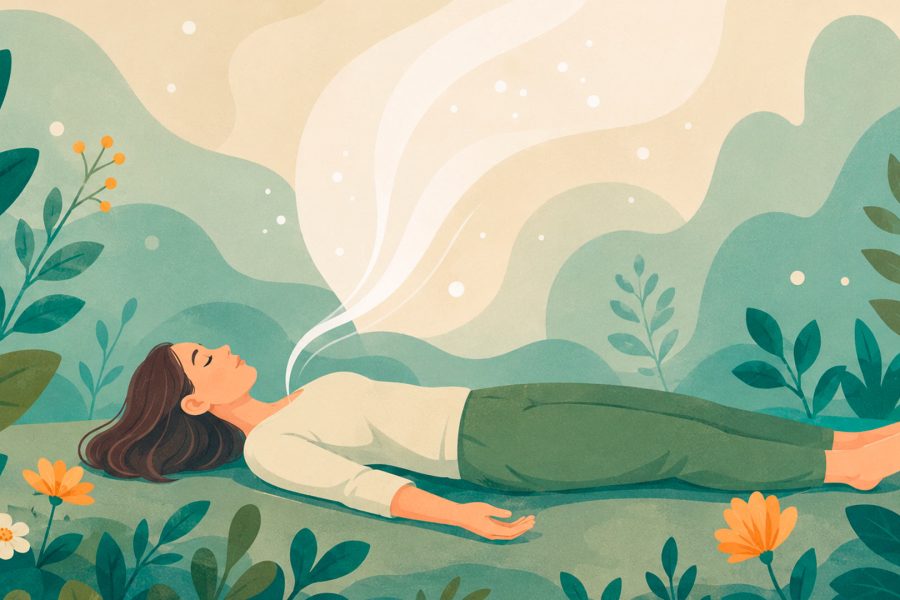
Body scan meditation improves focus and self-awareness. This practice is performed lying down in a calm environment. To begin:
This technique effectively addresses intrusive thoughts and anxiety. It helps establish a deeper connection between the physical and mental state, fostering a sense of harmony and lightness.

Anxiety is often accompanied by negative thoughts that can distort one’s perception of reality. Loving-kindness meditation is a tool that helps cultivate harmony. This practice fosters kindness toward oneself and others, combining elements of concentration, visualization, and affirmations. To perform loving-kindness meditation:
Regular practice improves emotional well-being and helps shift focus from anxiety to positive aspects of life.
Most visualization practices involve imagining yourself in a peaceful setting. This technique helps redirect attention from anxious thoughts and fosters positive emotions such as joy, calmness, and happiness. To practice:
This technique can be practiced during the day or before bedtime. It quickly induces a sense of tranquility and positively influences overall emotional balance.
To achieve long-term anxiety reduction, regular meditation is key. Start with just 10-15 minutes a day. Notice small changes, as they contribute to your desired outcome. Don’t be afraid to experiment with different techniques to find your unique meditation style. Our app provides a curated selection of the best practices across various categories to help you manage anxiety effectively.