15.09.2026

Sleep
23.05.2026

Olha Ponomarenko
Read 7 minutes

Good sleep is the foundation of health and well-being, but the modern pace of life often prevents us from falling asleep quickly in the evening. Meditation before bed can be a simple and effective way to prepare your body and mind for quality rest. In this article, we will look at how a few simple techniques can help you relieve tension, calm your thoughts, and get ready for deep sleep.
Avoid caffeine in the evening
Caffeine is a natural stimulant that we use to stay alert. It blocks the action of adenosine, a neurotransmitter that causes drowsiness. This interferes with the natural mechanisms of preparing for sleep: lowering body temperature, slowing the pulse, and relaxing muscles. As a result, we feel active instead of relaxed.
Therefore, 5-6 hours before bedtime (which is how long caffeine stays in the body), it is best to refrain from drinking coffee. Instead, you can drink herbal tea.
Dim the lights an hour before bedtime
The human body has natural mechanisms for regulating sleep and alertness that are related to the amount of light in the environment. At dusk, the body receives a signal that it will soon be time to rest. The body naturally produces melatonin (the sleep hormone) between 9:00 p.m. and 10:00 p.m., with peak concentrations occurring between midnight and 2:00 a.m.
Adjust your biological clock with lighting. Warm, subdued lighting creates a cozy atmosphere, promotes internal slowing down, and prepares the nervous system for rest.
Refrain from scrolling through social media feeds
Avoid phones, computers, and televisions a few hours before bedtime. The blue light emitted by gadget screens activates the brain and prevents relaxation. Scrolling through social media feeds or watching a movie inhibits melatonin production, making it difficult to fall asleep. In addition, intense consumption of content activates the mind and can cause an emotional reaction, which also does not promote relaxation and slowing down.
If you want to “switch off” and be alone with yourself before bed, it is better to give preference to a paper book and meditation practices. This will help restore your mental and emotional balance and get you in the mood for quality rest.
I improve my mental state:

Create your own bedtime rituals
Our nervous system loves predictability and stability. One of the best tools for implementing these principles is to create your own rituals. A warm bath or shower, stretching, or meditation before bed will help you create your own evening ritual and get in the mood for rest. Simple actions that are repeated day after day will help create predictability, a sense of security, and teach your brain to switch to a state of relaxation.
Relax in comfortable, light clothing
When we sleep, we are unable to consciously control our bodies. Therefore, before diving into eight hours of rest, it is worth taking care of your own comfort. Your sleeping area should be comfortable, your bedding should be pleasant, and your clothing should be comfortable. This will minimize external irritants and promote restful sleep.
Choose sleepwear that is comfortable and does not restrict movement. Avoid synthetic clothing with heavy hardware and tight cuffs or belts.
Certain meditation techniques help you get ready for healthy sleep. Simple practices help calm the mind and release the tension accumulated during the day. Meditation reduces stress and anxiety by activating the parasympathetic nervous system. This allows us to feel relaxed and calm and achieve inner harmony. Regular practice improves sleep quality and reduces the frequency of nighttime awakenings.
Before starting a meditation practice, it is important to create comfortable conditions. Dim lighting, comfortable clothing, silence, or calm music will help you relax and effectively perform the chosen techniques. Such an environment will help you smoothly transition from activity to calm, signaling to your body the need to relax.
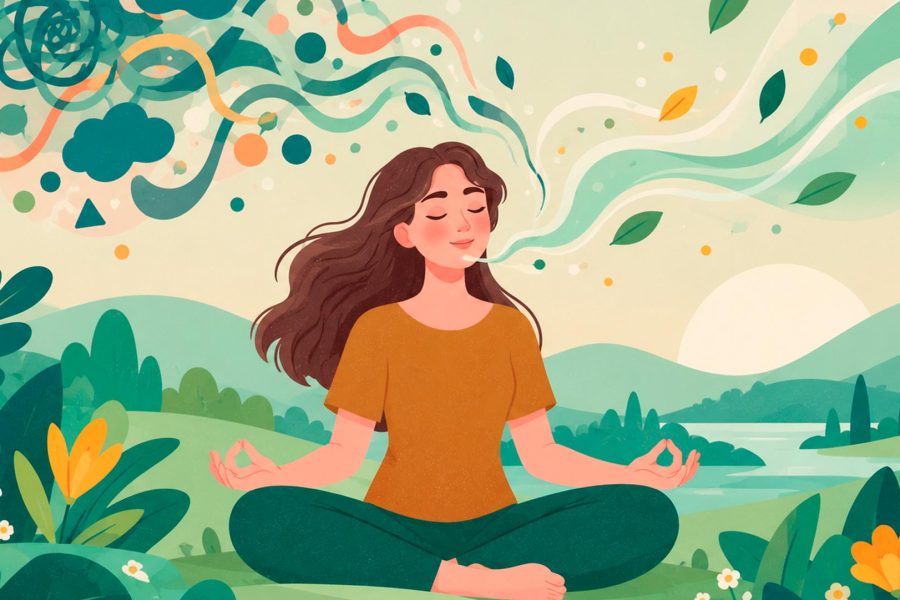
Conscious breathing technique
This is one of the basic meditation practices that has a powerful effect on the nervous system. The intensity and depth of breathing regulate the nervous system, helping us to relax or feel a surge of energy. Observing your own inhalations and exhalations slows down your internal rhythm and helps clear your mind of thoughts. To perform the practice:
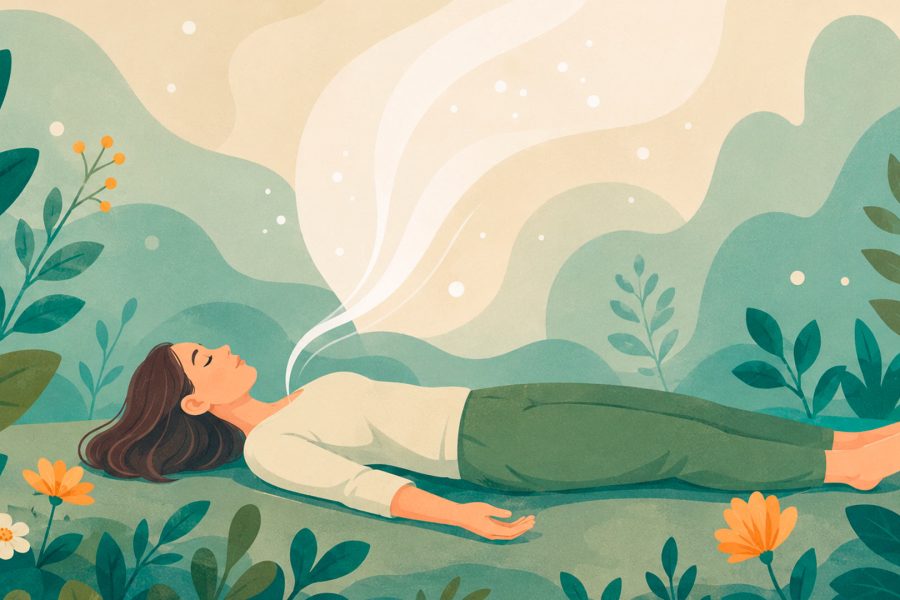
Body scan technique
The body scan technique helps you reconnect with yourself on a physical, emotional, and mental level. This simple exercise allows you to listen to your body and release muscle and psycho-emotional tension. Regular practice effectively helps to overcome stress, reduce anxiety, and improve sleep quality. To perform the technique:
Just 10–20 minutes is enough to feel the first positive changes. Regular practice will ensure deep, restful sleep and quality rest. Those who meditate with our app on a regular basis report improvements after just a few weeks of regular practice. The feeling of “broken” in the morning disappears, energy levels increase throughout the day, and the process of falling asleep becomes faster and easier.