15.09.2026

Meditations
24.04.2026

Olha Ponomarenko
Read 5 minutes
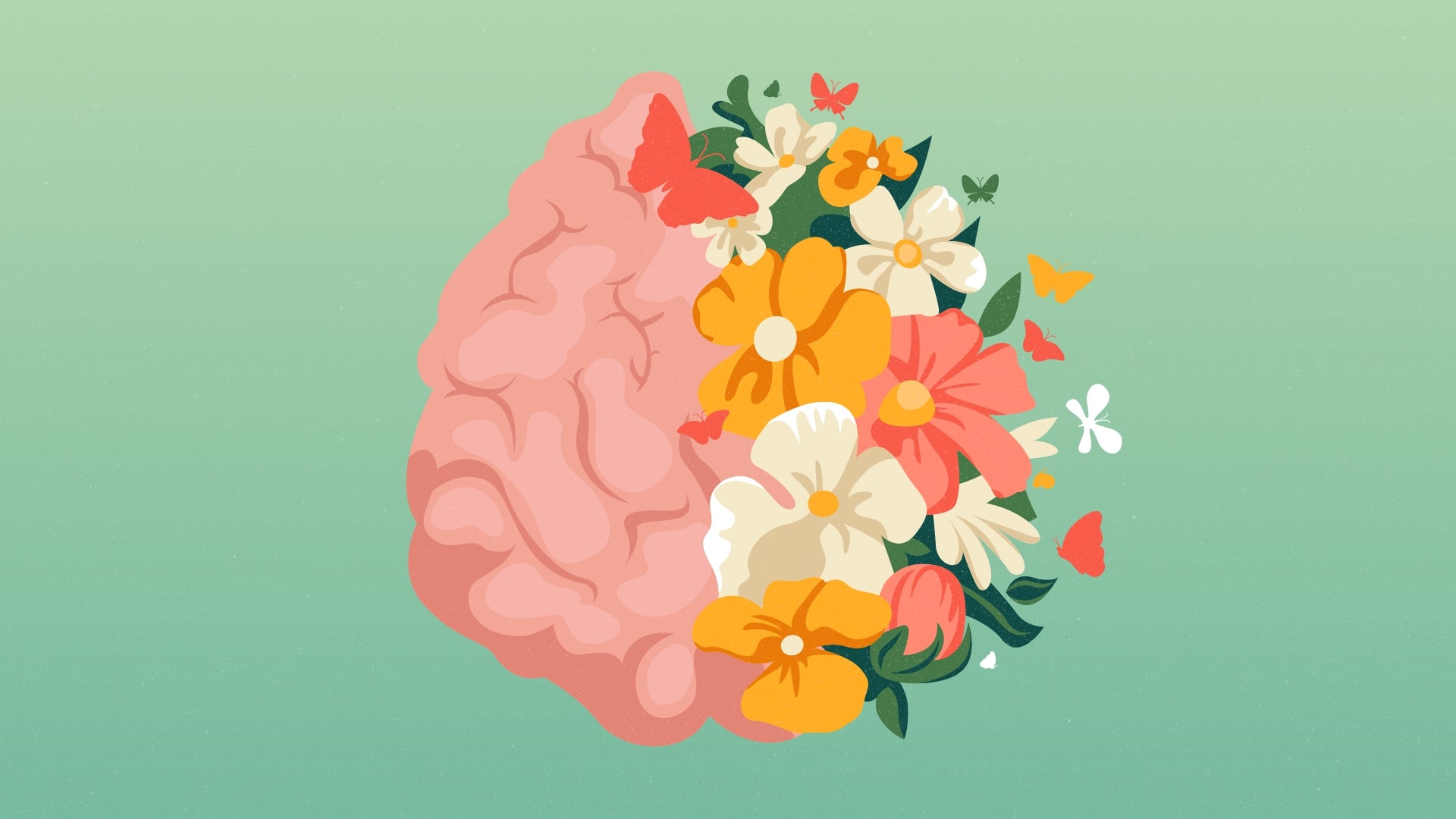
According to a study conducted by Gradus, 77% of Ukrainians experience stress, tension, and severe nervousness. A challenging environment and a high level of unpredictability affect our well-being and can significantly lower our quality of life. In such conditions, taking care of both mental and physical health is more important than ever. One of the simplest yet most effective self-help tools is meditation. This practice helps calm the nervous system, lowers cortisol (the stress hormone), and improves overall well-being.
The effects of meditation on the nervous system, particularly in the context of stress reduction, have been confirmed by numerous scientific studies. Using MRI scans, researchers have found that meditation influences the structure of the human brain. Changes occur in the following areas:
The amygdala, responsible for emotional responses such as fear and anxiety, shows decreased activity during meditation, making individuals calmer and more resilient to stress. At the same time, the prefrontal cortex, which governs rational thinking, self-control, and decision-making, becomes more active. This helps individuals gain greater self-awareness in the present moment and regulate emotions more effectively.
The positive effects of meditation on mental health and stress resilience extend beyond temporary relief. Regular practice leads to long-term and lasting changes due to neuroplasticity and the brain’s adaptive processes. Meditation positively impacts cognitive functions such as memory, attention, and thinking, while also helping individuals better adapt to new environments—an essential factor in how one experiences stress and resolves problems.
Try meditation now and feel the surge of strength!
Try in the app
A randomized controlled study by Elizabeth Hoge and her colleagues demonstrated that meditation positively influences anxiety symptoms in Generalized Anxiety Disorder (GAD) and improves stress response and coping mechanisms. A parallel study by American scientists confirmed that regular meditation reduces somatic symptoms of anxiety disorders, particularly those linked to high-stress levels. Adults practicing mindfulness meditation showed fewer stress markers compared to participants in the control group.
A research team from the University of Washington confirmed that regular mindfulness meditation practice helps reduce stress even in high-pressure work environments and multitasking situations. Building on similar data from previous years, MIT professor Jon Kabat-Zinn developed an 8-week Mindfulness-Based Stress Reduction (MBSR) program. This program’s effects last for at least three years due to structural changes in the brain. Stanford University research also found that this method significantly reduces symptoms of social anxiety.
Thus, Mindfulness-Based Stress Reduction (MBSR) is a scientifically validated stress reduction program that combines mindfulness meditation, breathing exercises, yoga, and self-awareness practices. It has proven effective in managing stress, anxiety, and depression. Additionally, it helps individuals cope with chronic pain and enhances overall well-being.
Long-Term Benefits of Meditation for Chronic Stress
Regular meditation fosters long-term and sustainable positive changes in managing chronic stress. The meditation practices available in our app are tailored to individual needs, helping users achieve relaxation, reduce emotional tension, and improve overall well-being. The best part is that meditation does not require extensive time or effort— even short but consistent sessions can help achieve meaningful results.
Meditation is a tool that is always with you. Make it a daily habit and use specific techniques to alleviate stress in challenging situations (such as before a public speech or an important event). When you feel stressed, take 10 minutes to observe your breath. Notice how air enters through your nose, fills your body, and slowly exits with each exhale. The benefits of this and other meditation techniques will become apparent quickly.